

The world of canine nutrition is evolving rapidly, moving towards diets
The world of canine nutrition is evolving rapidly, moving towards diets that are more tailored, functional, and planet-friendly. Pet owners are increasingly focused on ingredient quality and transparency, driving significant shifts in product development.
The Rise of Individualized Nutrition
A one-size-fits-all approach is becoming a thing of the past. Advances in nutritional science and a growing demand from pet parents are pushing for personalized diets. Formulas are now being created to cater to specific needs based on factors like breed, age, activity level, and existing health conditions (such as weight management or allergies). This often involves specialized recipes with adjusted protein, fat, and fiber ratios, or even custom-portioned meals delivered via subscription.
Functional Ingredients for Long-Term Wellness
Pet food is taking cues from human nutrition with a heavy emphasis on functional ingredients—components that offer health benefits beyond basic sustenance.
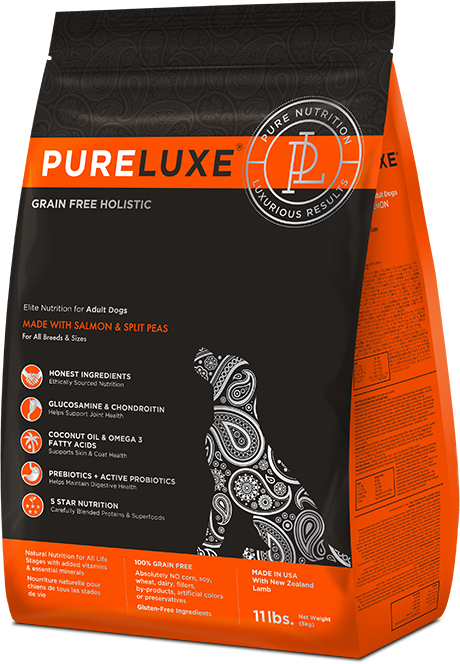
- Gut Health Focus: Ingredients like prebiotics and probiotics are routinely added to support a healthy digestive microbiome. There’s also increasing interest in postbiotics, the beneficial compounds produced during gut fermentation, which can further aid in digestion and immune support.
- Joint and Mobility Support: Formulas are frequently enriched with ingredients like glucosamine and chondroitin, as well as Omega fatty acids from sources like fish or algal oil, to promote joint health and reduce inflammation, particularly for older or very active dogs.
- Antioxidants and ‘Superfoods’: Ingredients like turmeric, chia seeds, and various fruits and vegetables are being incorporated for their antioxidant properties, supporting overall cellular health and longevity.
Expanding Protein Sources
While traditional proteins remain staples, innovation is leading to a wider variety of options, often driven by sustainability and addressing food sensitivities:
- Novel Proteins: Proteins beyond the most common, such as venison, duck, or rabbit, are growing in popularity for dogs with food allergies or sensitivities.
- Sustainable Alternatives: New formulations are exploring insect-based proteins (like black soldier fly larvae) and plant-based proteins as environmentally conscious, highly digestible, and hypoallergenic options.