
The "humanization" of pet food is no longer just a trend; it's a full-b
The “humanization” of pet food is no longer just a trend; it’s a full-blown revolution. What we eat and what we feed our furry, scaled, and feathered companions are becoming increasingly indistinguishable. This blurring of boundaries reflects a deeper shift in how we view our pets—not just as animals, but as cherished family members deserving of the same quality and consideration we give to our own plates.
Gone are the days when a generic bag of kibble sufficed. Today, pet parents are scrutinizing ingredient lists with the same intensity they apply to their own groceries. We’re seeing a surge in demand for human-grade ingredients, recognizable whole foods, and transparent sourcing. This means more real meat, fruits, and vegetables, and a distinct move away from artificial flavors, colors, and obscure fillers.
But it goes beyond just ingredients. The very types of food and the dining experiences are evolving. Refrigerated and frozen pet food, gently cooked meals, and even “meal prep” services for pets are on the rise, mirroring the convenience and fresh appeal of human meal kits. We’re adding bone broth to their bowls, sprinkling on freeze-dried toppers, and offering supplements for joint health, digestion, and anxiety—just as we might for ourselves.
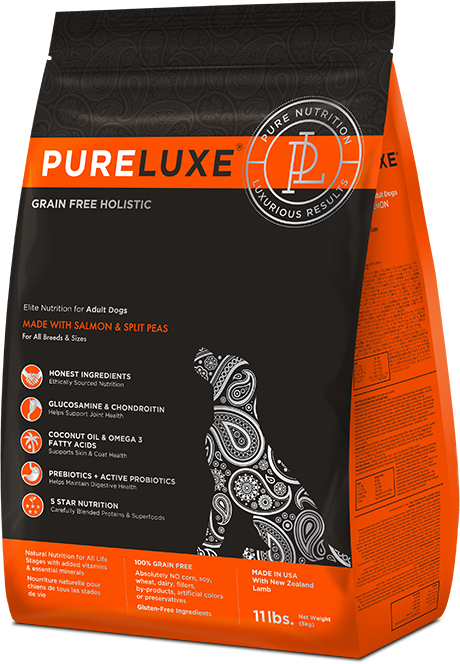
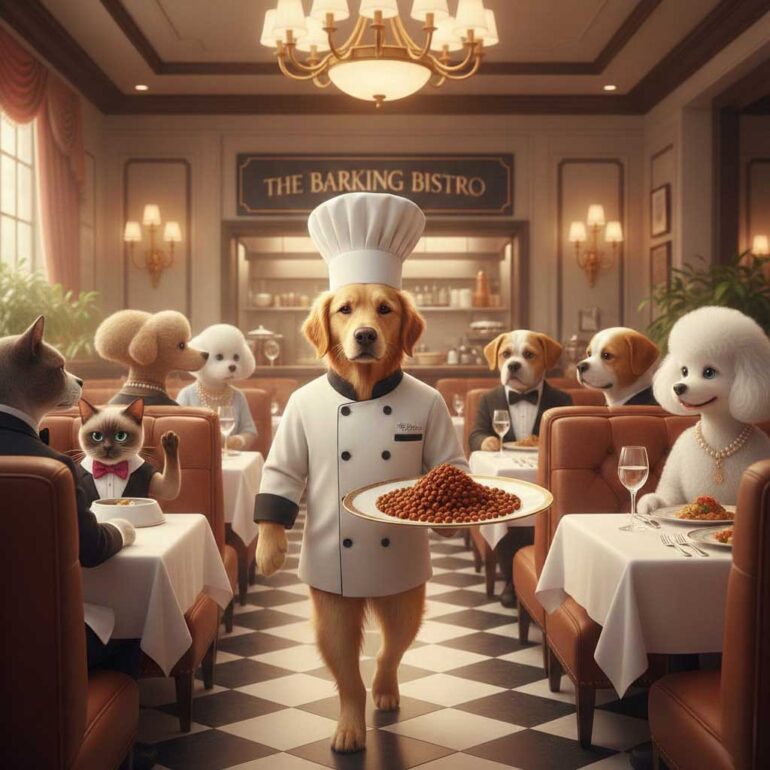
Even the aesthetic is changing. Pet food packaging often resembles gourmet human products, and dedicated “pet fridges” are becoming common in both homes and stores. This isn’t just about indulgence; it’s about a deeper understanding of pet nutrition, a desire for healthier, longer lives for our companions, and a reflection of their elevated status within our families. The shared dining experience, even if separate, truly signifies that pets are family.