The human weight-loss revolution fueled by GLP-1 agonists like Ozempic
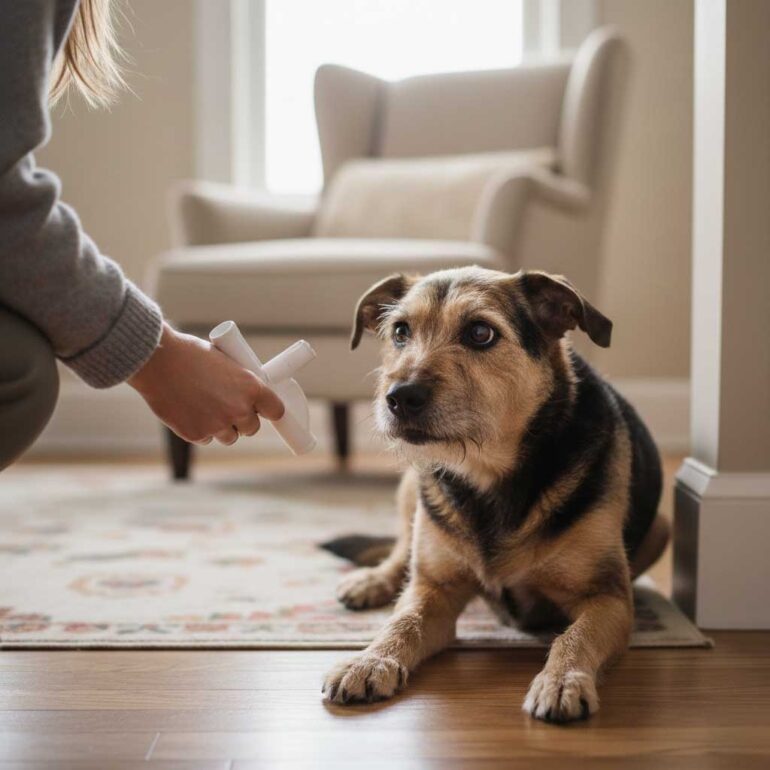
The human weight-loss revolution fueled by GLP-1 agonists like Ozempic has sparked a massive question for pet parents: Can my dog or cat get a “miracle shot” to lose weight? With nearly 60% of US pets classified as overweight, the demand is high, but the reality is more “science” than “magic.”
Is there an “Ozempic” for pets?
The short answer is no. There is currently no FDA-approved GLP-1 medication specifically for dogs or cats that works exactly like Ozempic or Wegovy. Giving human medications to pets is extremely dangerous and can be fatal due to differences in metabolism.
The Science: How the “Ozempic Effect” is Hitting Pet Food
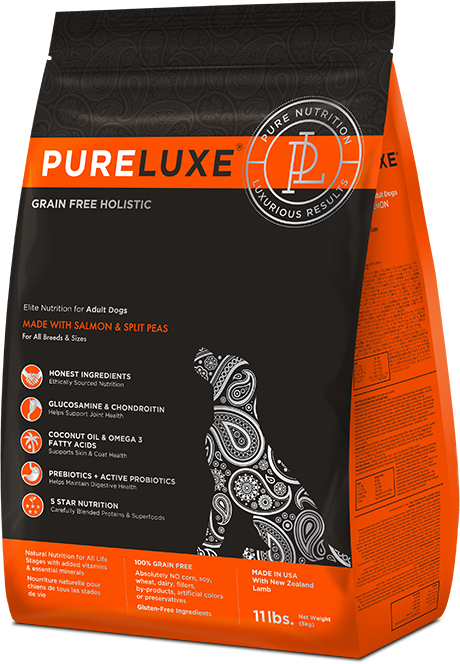
While we don’t have the injection, the mechanism of GLP-1—slowing digestion and signaling the brain to feel full—is transforming the pet industry in 2026.
- GLP-1 Friendly Nutrients: Companies are now formulating foods with specific fiber blends and “satiety peptides.” These aren’t drugs; they are amino acid sequences designed to naturally trigger the gut to release its own fullness hormones.
- The Microbiome Connection: New “metabolic” probiotics are being used to shift the gut flora of obese pets to resemble that of lean pets, helping them burn calories more efficiently.
- Precision Kibble: Engineering kibble with “air-whipped” textures or larger surface areas forces pets to chew more, slowing down the eating process and allowing the body’s natural satiety signals to kick in.
Are there any drugs?
In the past, drugs like Slentrol (dirlotapide) were used for dogs to reduce fat absorption, but they aren’t GLP-1s and often had side effects like vomiting. Most vets today prioritize “metabolic diets”—prescription foods that change how a pet burns energy rather than just cutting calories.
The Bottom Line
We are in the era of Metabolic Nutrition. While you can’t get a weekly shot for your cat yet, the “Ozempic Effect” has forced pet food brands to move beyond “low fat” toward “satiety-driven” science.