

The bond we share with our pets is incredibly special, and ensuring the
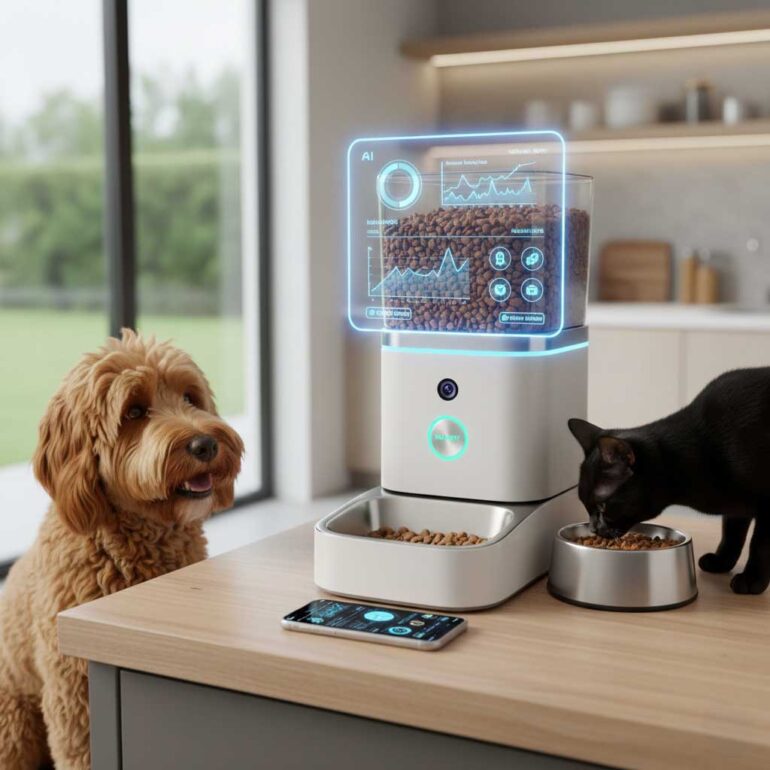
The bond we share with our pets is incredibly special, and ensuring their well-being is a top priority. In recent years, technology has advanced to help us provide even better care, and nowhere is this more evident than in the evolution of smart pet feeders. Moving far beyond simple timers, today’s cutting-edge feeders are integrating artificial intelligence (AI) to offer unprecedented levels of personalization, health monitoring, and convenience, fundamentally changing how we approach our pets’ meal times.
Beyond the Beep: The AI Advantage
Traditional automatic feeders offered a basic solution: dispense food at pre-set times. While helpful, they lacked the intelligence to adapt to individual pet needs. This is where AI steps in, transforming a static device into a dynamic nutritional assistant.
- Personalized Portion Control: One of AI’s most impactful applications in smart feeders is its ability to learn and adapt portion sizes. Instead of a fixed amount, an AI-powered feeder can take into account various factors you input—your pet’s breed, age, activity level, current weight, and target weight—to calculate the ideal caloric intake for each meal. Some advanced systems can even factor in the specific nutritional profile of the food being dispensed, ensuring precise and tailored feeding. This is crucial for managing weight, which is a common health challenge for many pets.
- Behavioral Monitoring and Early Detection: This is where AI truly shines as a health tool. Integrated sensors and cameras in smart feeders can monitor your pet’s eating habits with remarkable detail. AI algorithms can detect subtle changes in behavior that might otherwise go unnoticed. For instance, a sudden decrease in appetite, unusually fast eating, or a refusal to approach the feeder could all be red flags. The AI can learn your pet’s normal patterns and alert you (and even your veterinarian, with your permission) to anomalies, potentially indicating illness or discomfort before it becomes severe. This proactive approach can lead to earlier diagnosis and treatment, improving health outcomes.
- Adaptive Scheduling: Life isn’t always predictable, and neither are our pets’ needs. AI-driven feeders can adapt their schedules based on real-time data. If your pet hasn’t finished a previous meal, the feeder might delay the next one slightly. If your pet has had an exceptionally active day, the system could suggest a slightly larger portion to compensate for expended energy. This dynamic scheduling ensures food is available when needed, preventing overfeeding or unnecessary hunger.
- Enrichment and Engagement: Some AI-enhanced feeders incorporate elements of cognitive enrichment. They might dispense small puzzle-like portions throughout the day, stimulating your pet’s mind and making mealtime a more engaging experience. This can be particularly beneficial for pets prone to boredom or anxiety when left alone.
A Healthier, Happier Future
The integration of AI into smart pet feeders represents a significant leap forward in pet care. It moves us beyond mere convenience to intelligent, data-driven nutritional management and proactive health monitoring. As these technologies continue to evolve, we can look forward to even more sophisticated tools that strengthen the bond with our pets by supporting their health and well-being in ways we once only dreamed of. The future of pet feeding isn’t just smart; it’s intuitive, personalized, and deeply caring.