A significant piece of legislation is currently stirring debate among p
A significant piece of legislation is currently stirring debate among pet owners, veterinarians, and manufacturers: the Pet Food Uniform Regulatory Reform Act of 2025, or “PURR Act.” This proposed bill aims to fundamentally change how pet food is labeled and regulated across the United States, and its potential impact is a hot topic in the summer of 2025.
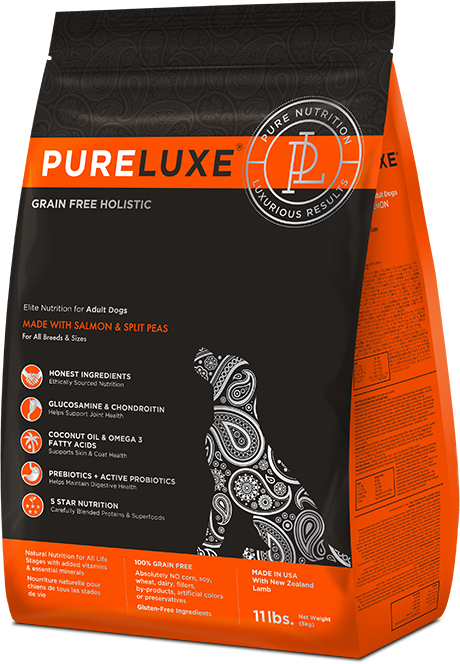
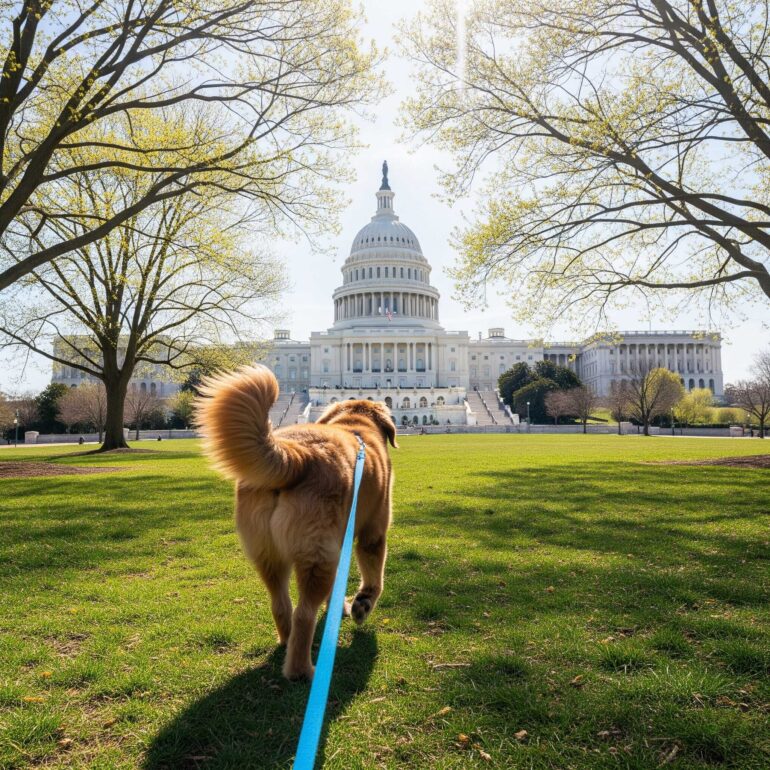
So, what would the PURR Act do? Currently, the U.S. has a complex “patchwork” system where pet food regulations can vary from state to state. While the FDA has federal authority, and organizations like the Association of American Feed Control Officials (AAFCO) provide influential models, states ultimately set and enforce many of their own rules. The PURR Act proposes to streamline this by establishing the FDA as the single, primary authority for pet food regulation and labeling nationwide. This would create one uniform set of rules for every product, no matter where it’s sold.
Supporters of the bill, including some large pet food manufacturers and industry groups, argue that this uniformity is desperately needed. They contend that a single federal standard would simplify compliance, reduce costs associated with meeting 50 different state requirements, and ensure a consistent, predictable market for everyone. They believe it would foster innovation and prevent products from being kept off shelves due to conflicting state-level bureaucracy.
However, the PURR Act has faced vocal opposition. Critics, including many consumer advocacy groups and some state regulators, worry that it could weaken consumer protections. Their primary concern is that a single federal standard might become a “ceiling” that prevents states from enacting stricter safety or labeling laws in response to local issues or new scientific findings. They argue that the current state-led system provides an essential layer of oversight and accountability that could be lost under a purely federal framework, potentially making it harder to respond quickly to safety recalls or misleading claims.
As the debate continues this summer, the core question remains: Is the PURR Act a necessary step towards a modern, efficient regulatory system, or does it risk sacrificing vital state-level protections for the sake of simplicity? For now, pet owners are encouraged to stay informed as this bill could reshape the information they see on pet food labels for years to come.