
The buzz around raw diets for dogs continues to grow, with proponents s
The buzz around raw diets for dogs continues to grow, with proponents suggesting they’re a more “natural” and nutritious option. But before you ditch the kibble, let’s chew on the facts.
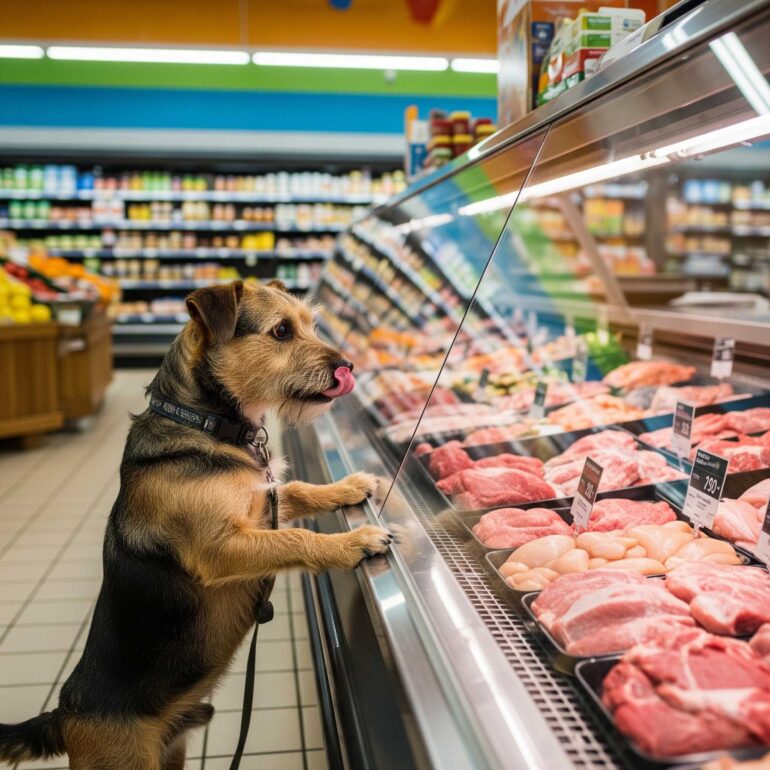
What is a Raw Diet? A raw diet for dogs typically involves uncooked meat, bones, organs, and sometimes fruits and vegetables. The idea is to mimic what a wild canid might eat. However, as Whole Dog Journal points out, many commercial or homemade raw diets often fall short of the diverse diet a wild animal consumes, which includes a wider array of prey, plants, and berries.
The Balancing Act: A crucial aspect of any dog’s diet is nutritional completeness. For raw diets, this means a precise balance of nutrients, particularly the calcium-to-phosphorus ratio, which is vital for growing puppies. Achieving this balance often requires careful supplementation and can be both costly and time-consuming for owners. Without proper balance, dogs can suffer from nutrient deficiencies or excesses, leading to serious health issues.
Safety First: A Major Concern Here’s where raw diets raise significant red flags. Organizations like the Centers for Disease Control and Prevention (CDC) and many veterinarians strongly advise against raw feeding due to the risk of foodborne bacteria. A 2014 FDA study, for instance, found a high incidence of pathogens like Salmonella and Listeria in frozen raw meat diets. These bacteria pose a risk not only to your pet but also to humans, especially young children, seniors, or those with compromised immune systems. Freezing and even freeze-drying do not eliminate all harmful bacteria or viruses, such as avian flu.
Impeccable food hygiene is non-negotiable when preparing raw pet foods to prevent cross-contamination. While dogs might be more resistant to some pathogens than humans, they can still become ill, and more importantly, they can shed these bacteria, contaminating your home environment and posing a risk to everyone in the household.
The Bottom Line: While the concept of a raw diet might seem appealing, the reality involves significant challenges in ensuring nutritional completeness and, more critically, food safety. If you’re considering a raw diet for your dog, thorough research, strict adherence to safety protocols, and consultation with a veterinarian are absolutely essential to ensure your pet’s health and the well-being of your family. For many, a high-quality, commercially prepared cooked diet remains a safer and equally nutritious option.