
The feline friend has officially reached peak popularity. With cat owne
The feline friend has officially reached peak popularity. With cat ownership hitting an all-time high of 49 million households in 2024, the pet food industry is at a crossroads. This 23% surge in just a few years, driven primarily by Gen Z and Millennial pet parents, presents a massive opportunity. Yet, a recent survey by Petfoodindustry.com reveals a surprising hesitation among some companies to fully adapt to this shifting market.
The data is clear: cats are on the rise. But are pet food professionals ready for this new demographic? The survey results suggest a mixed response. A significant 55% of companies reported no changes to their marketing strategies to target these younger pet owners. This indicates a potential blind spot, as the preferences and purchasing habits of Gen Z and Millennials differ from previous generations.
When it comes to product development, the industry shows slightly more activity. Forty-five percent of companies are actively creating new cat food products, and another 18% are considering it. However, a third of the industry (36%) has no plans to innovate in this area, potentially missing out on a booming market segment.
There are two key areas where innovation could pay off: multi-cat households and the “Cat Dad” demographic. As more people own multiple cats, the demand for specialized products grows. Forty-two percent of companies are developing formulas for different life stages, while a smaller portion is exploring variety packs and larger bulk sizes. Still, a notable 30% have no strategy for this segment, leaving an open door for competitors.
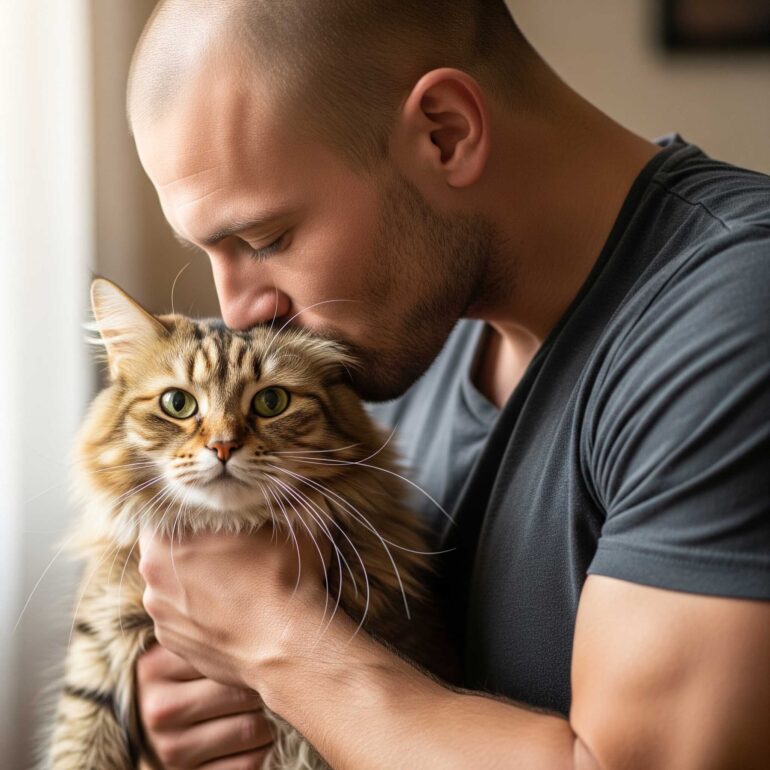
Perhaps the most untapped market is the “Cat Dad”—the growing number of Gen Z and Millennial men who are devoted cat owners. The industry’s response to this group is still in its infancy. Over half of companies (56%) have made no specific changes to target this demographic. Those that are adapting are focusing on digital marketing on relevant platforms, featuring male pet parents in their ads, and collaborating with male influencers.
The takeaway is simple: the cat is no longer just a pet; it’s a social and cultural phenomenon. The companies that recognize this trend and invest in targeted product development and marketing are the ones who will ultimately capture the largest share of this rapidly growing market. The time to adapt is now, before the competition beats them to it. The future of pet food isn’t just about dogs anymore—it’s about the cat.